The short answer: a diode laser emits blue light at about 455 nm and suits wood, leather, slate and dark acrylic. A CO2 laser emits at 10,600 nm and adds clear acrylic, glass and thicker wood. A fiber laser emits at 1064 nm and is the only sensible choice for bare metal. Match the wavelength to the material first; argue about wattage second.
The one idea that makes all of this simple
A laser only does work where the material absorbs the light. Everything else — wattage, speed, air assist, lens choice — is tuning. If the material does not absorb that wavelength, no amount of power helps, and that is why a 40 W diode cannot cut clear acrylic while a 40 W CO2 can.
| Type | Wavelength | Good at | Cannot do | Cost |
|---|---|---|---|---|
| Diode | 455 nm | Wood, leather, slate, dark acrylic, coated metal | Clear acrylic, bare metal, glass | Low |
| CO2 glass tube | 10,600 nm | All acrylic, thick wood, glass, leather, rubber, fabric | Bare metal | High |
| Fiber (Q-switched) | 1064 nm | Deep marks in steel, aluminium, brass | Wood and acrylic | High |
| MOPA fiber | 1064 nm | Fiber plus colour on stainless and clean plastic marking | Organic materials | Highest |
| Infrared module | 1064 nm | Adding metal marking to a diode machine | Cutting anything | Low add-on |
| UV | 355 nm | Glass, fine plastics, heat-sensitive parts | Cutting — it is a marking tool | Highest |
Diode lasers
Blue light at roughly 455 nm from a semiconductor module. Cheap, compact, long-lived and the reason the hobby exploded. Wood, plywood, MDF, leather, slate, cork, card, dark acrylic and anything with a coating on it all absorb blue light well. Clear acrylic and bright metal do not.
Power ranges from 5 W to 40 W optical. Note the word optical: some listings quote electrical input instead, which can be four times larger and means nothing about cutting ability.
CO2 lasers
A gas-filled glass tube emitting far infrared at 10,600 nm. Almost every non-metal absorbs it, which is why CO2 is the general-purpose shop laser. Clear acrylic cuts with a flame-polished edge straight off the machine; glass frosts cleanly; 10 mm plywood is a single pass at 55 W.
The tube is a consumable with a service life, the machine wants cooling, and the optics need occasional cleaning. In exchange, the running cost per hour is low and the tube is replaceable rather than the machine.
Fiber lasers
1064 nm from a doped fiber, steered by galvo mirrors rather than a moving gantry — which is why they are so fast. Metal absorbs this wavelength readily, so fiber is the answer for stainless, aluminium, brass and titanium. It is a poor choice for wood and acrylic, which mostly burn.
Two varieties matter. Q-switched fires fixed-length pulses and is cheaper. MOPA lets you set pulse duration, which produces colour on stainless and cleaner marks on plastics.
Infrared modules and UV
A 2–3 W infrared head bolts onto some diode machines and adds metal and plastic marking for a fraction of the cost of a fiber laser. It marks; it does not engrave deeply or cut.
UV at 355 nm is a cold marking process for glass and heat-sensitive plastics. It is a specialist industrial tool and almost nobody reading this needs one.
So which do you buy?
- Wood, leather, slate, coated metal: diode. Start at 10 W, go 40 W if you cut 6 mm.
- Clear acrylic, glass, thick wood, rubber stamps: CO2.
- Bare stainless, aluminium, brass, titanium: fiber.
- Both wood and metal: a dual-laser machine, or a diode with an infrared module.
One machine per category
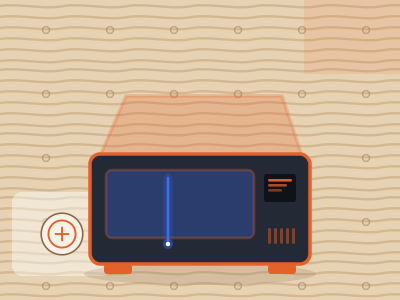
xTool S1 40W
40 W enclosed, 498 mm bed, LightBurn. Covers wood, leather, slate, dark acrylic and coated metal — which is most of what people actually make.
Check price on Amazon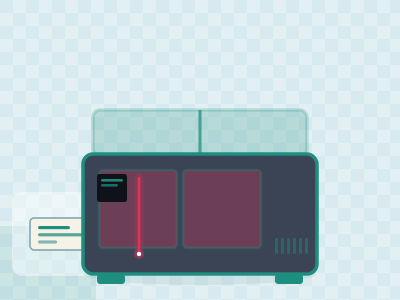
xTool P2S 55W CO2
55 W, 600 mm bed, dual cameras. The wavelength that cuts clear acrylic and engraves glass, in a desktop body rather than an industrial cabinet.
Check price on Amazon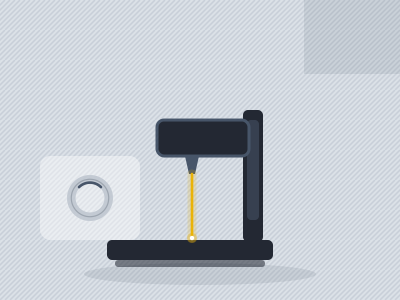
ComMarker B4 30W Fiber
30 W galvo fiber at the price of a mid-range diode. 110 mm field, electric focus column, LightBurn support. The cheapest honest route to engraving bare metal.
Check price on AmazonQuestions people also ask
What is the difference between a diode and CO2 laser engraver?
Wavelength. A diode emits visible blue light at 455 nm and suits wood, leather and dark acrylic. CO2 emits far infrared at 10,600 nm, which nearly every non-metal absorbs, so it also cuts clear acrylic and glass.
Which laser is best for beginners?
A diode. They are cheaper, smaller, need no cooling, and handle the materials beginners actually use.
Can a fiber laser cut wood?
Poorly. Wood absorbs 1064 nm unevenly and tends to burn rather than cut cleanly. Use a diode or CO2 for organic materials.
What does MOPA mean on a fiber laser?
Master Oscillator Power Amplifier — a design that lets you adjust pulse duration. That control produces colour marking on stainless and better results on plastics.
Is a 40 W diode the same as a 40 W CO2?
No. Different wavelengths, different spot sizes and different absorption. A 40 W CO2 cuts materials a 40 W diode cannot touch, and a diode often engraves finer detail on wood.